
By Brand 
- AT&T
- Acer
- Alcatel
- Allview
- Amazon
- Amoi
- Apple
- Archos
- Asus
- BBK
- BLU
- BQ
- BenQ
- BenQ-Siemens
- Benefon
- Bird
- BlackBerry
- Blackview
- Bosch
- Casio
- Cat
- Celkon
- Cheacomm
- Coolpad
- Dell
- DigiFlip
- Energizer
- Ericsson
- Eten
- Fly
- Fujitsu Siemens
- G-Five
- Garmin-Asus
- Geeks phone
- Gigabyte
- Gionee
- HP
- HTC
- Haier
- Huawei
- Icemobile
- Infinix
- Infocus
- Innostream
- Intel
- Intex
- Karbonn
- Kyocera
- LG
- LYF
- Lava
- LeEco
- Lenovo
- MWg
- Maxon
- Maxx
- Meizu
- Micromax
- Microsoft
- Mitac
- Mitsubishi
- Modu
- Motorola
- NEC
- NIU
- Neonode
- Nokia
- O2
- OnePlus
- Oppo
- Orange
- Palm
- Panasonic
- Pantech
- Parla
- Philips
- Plum
- Prestigio
- Qtek
- Razer
- Ringing Bells
- Sagem
- Samsung
- Sanyo
- Sendo
- Sewon
- Sharp
- Siemens
- Sonim
- Sony
- Sony Ericsson
- Spice
- T-Mobile
- TCL
- TP-Link
- Teclast
- Tecmobile
- Tecno
- Tel Me
- Telit
- Thuraya
- Toshiba
- VK Mobile
- Vertu
- Verykool
- Videocon
- Vivo
- Vodafone
- WND
- Wiko
- Wileyfox
- XCute
- XOLO
- Xiaomi
- Yezz
- ZTE
- Zen
- i-mate
- i-mobile
- iNQ
Microsoft Sensors Overview and Market Availability
Author: MobileGizmo Team
A sensors also called detector is a converter that measures a physical quantity and converts it into a signal which can be read by device.
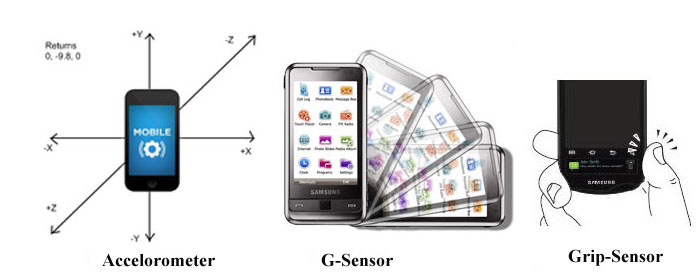
Ambient light Sensor: Ambient Light sensors are used to adjust the brightness of the screen that saves battery power. It uses the principle of superposition to calculate the ambient light brightness. Most light sensors use types of photodiodes, each sensitive to a different portion of the light spectrum. By combining these photodiode outputs mathematically, each with a suitably adjusted gain, the sensor can be made to output a fairly accurate measurement of ambient brightness for the light sources commonly available.
Proximity Sensor: The proximity Sensors useful to detect how close the screen of the phone is to your body.The proximity sensor detects, the user holds the phone to her face to speak. In this case the touchscreen and keys are disabled to prevent from accidentally being pressed also to save the power when the screen is turned off.This allows the phone to perform simple forms of context recognition associated with the user interface. Besides it is useful for detecting towers and sources of interference.
Accelerometer Sensor: Accelerometer Sensor helps to improve user interface and use of the camera. They automatically determine the between a landscape and portrait view also correctly orient captured photos during viewing on the phone. When you rotate your device sideways, the Web browser automatically switches the screen to landscape mode so you can view wider space. The camera relies on the accelerometer to tell whether you are taking a picture in portrait or landscape mode.
Compass Sensor: The compass helps to make awareness of its position in relation to the physical world to enhance location-based applications.
Gyroscope Sensor: Gyroscope measures the Angular velocity (radians/second) and the Orientation is a different magnitude. Gyroscopic sensors used in navigation systems and gesture recognition systems in Smart phones. Gyroscopes are used in Smart phones and tablet PCs for finding the position and orientation of devices
GPS: The GPS, which allows the phone to localize itself, enables new location-based applications such as local search, mobile social networks, and navigation.
GRIP Sensor: The grip sensor technology allows the user to grip the bottom of the phone to activate the display. It uses pattern recognition techniques for identifying the users’ hand grips from the touch sensors.
Barometer Sensor: The barometer Sensor is used to measure air or atmospheric pressure and indicate its rising or falling. The usage is to forecast the weather. Variations in atmospheric pressure can be predicted.
G-Sensor: The G-sensor can control the smart phone, by changing its position in space making the necessary functions more convenient and simple. For example with the help of G-sensor user can take an incoming call simply by shaking the smartphone and no need to search for a button.
Microsoft available Sensors in Market
Mobile Phone Specifications
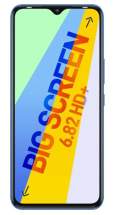
Infinix Smart 6 Plus
US$ 116
INR₹ 8000
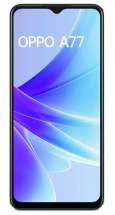
Oppo A77 4G
US$ 229
INR₹ 15800
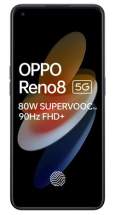
Oppo Reno 8 5G
US$ 420
INR₹ 29000
Xiaomi Poco F4 5G
US$ 493
INR₹ 34000
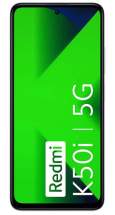
Xiaomi Redmi K50i 5G
US$ 377
INR₹ 26000
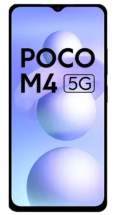
Xiaomi Poco M4 5G
US$ 188
INR₹ 13000
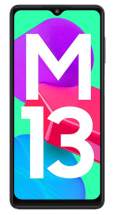
Samsung Galaxy M13
US$ 174
INR₹ 12000
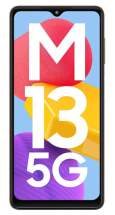
Samsung Galaxy M13 5G
US$ 203
INR₹ 14000
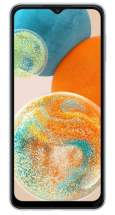
Samsung Galaxy A23 5G
US$ 348
INR₹ 24000
Xiaomi 12 Lite 5G
US$ 572
INR₹ 39500
Samsung Galaxy A23 5G
US$ ∞
INR₹ ∞
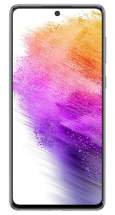
Samsung Galaxy A73 5G
US$ ∞
INR₹ ∞
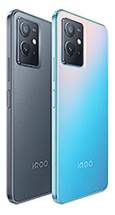
Vivo iQOO Z6 5G
US$ ∞
INR₹ ∞
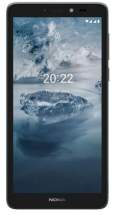
Nokia C2 2nd Edition
US$ ∞
INR₹ ∞

Apple iPad Air 5G
US$ ∞
INR₹ ∞
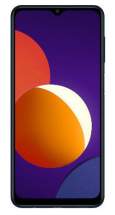
Samsung Galaxy M12
US$ $159
INR₹ ₹11000
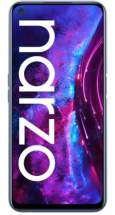
Realme Narzo 30 Pro 5G
US$ $246
INR₹ ₹17000
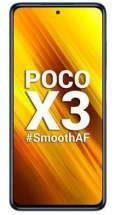
Xiaomi Poco X3
US$ $275
INR₹ ₹19000
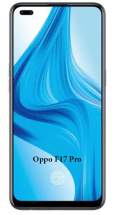
Oppo F17 Pro
US$ $290
INR₹ ₹20000
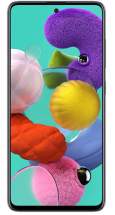
Samsung Galaxy A51
US$ $326
INR₹ ₹22500
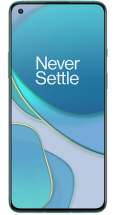
OnePlus 8T Plus 5G
US$ $797
INR₹ ₹55000

OnePlus 9R 5G
US$ $580
INR₹ ₹40000
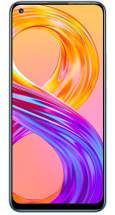
Realme 8 Pro
US$ $261
INR₹ ₹18000
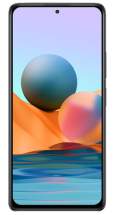
Xiaomi Redmi Note 10 Pro Max
US$ $275
INR₹ ₹19000